
ST. PAUL, Minn. (AP) — The ride-sharing company Lyft will ensure the rights of blind and other disabled passengers across the country to travel with their service animals under a settlement announced in Minnesota on Wednesday.
College student Tori Andres turned to the Minnesota Department of Human Rights after several Lyft drivers refused to let her service dog, Alfred, ride along with her. The agency investigated and determined that the company was violating the state’s Human Rights Act. Both sides then negotiated a settlement that includes changes in driver training, and updates to the Lyft app that will make the agreement apply nationwide, not just in Minnesota.
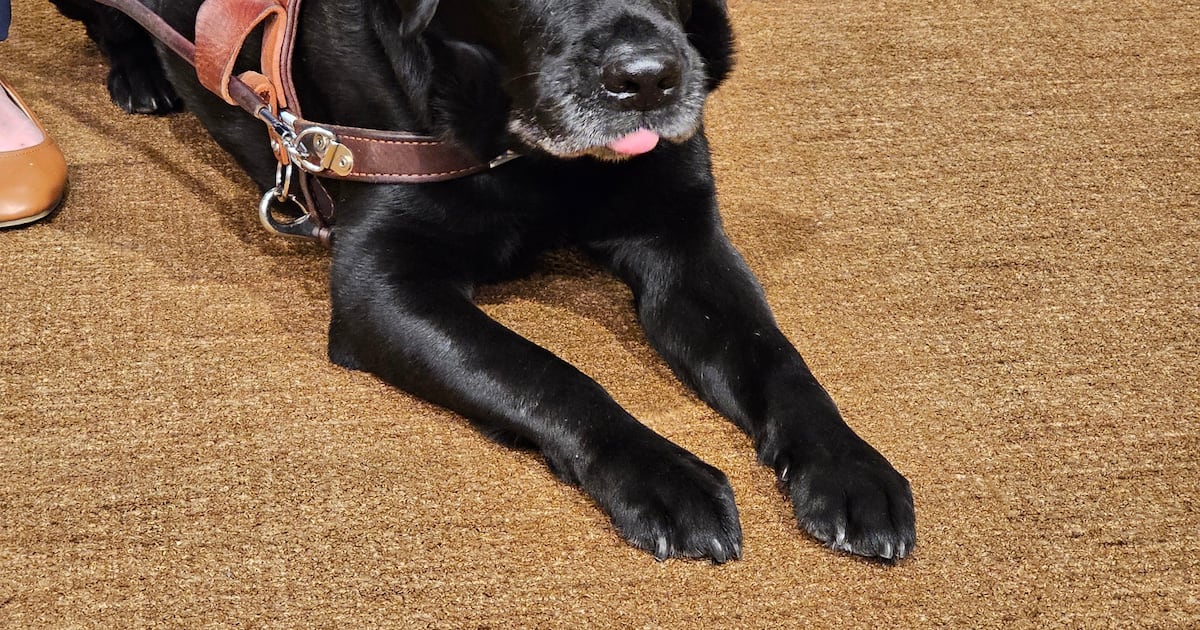
“This case is a deeply personal thing to me because I travel pretty much everywhere with my guide dog,” Andres said at a news conference, as her black Labrador lay quietly near her feet, with only an occasional lick or yawn. “He is my eyes. He is my freedom, and he is why I am able to live independently.”
The terms require Lyft to train its drivers on the rights of passengers with disabilities, and warn them that they could be “deactivated” and lose their ability to drive for Lyft if they violate the law, state Human Rights Commissioner Rebecca Lucero told reporters. Drivers can’t cancel or refuse a ride because a passenger has a service animal or wheelchair, or because they have low or no vision, she said. The state will monitor Lyft’s compliance for three years, she added, and Andres will get a $63,000 monetary settlement.
“We expect that all riders in Minnesota and in fact, across the United States, will benefit from these changes,” Lucero said.
Lyft downplayed the significance of settlement, however, saying it didn’t agree to any policy changes because the relief the state sought was already in place. Lyft also disputed that the company violated the law, saying any alleged violations were by independent drivers.
Recent changes to the Lyft app include giving riders the option of updating their accessibility settings to notify a driver that they’re traveling with a service animal, and to report if they’re denied service, the Department of Human Rights said. Lyft agreed to follow up on every report it gets of driver refusals.
Drivers who try to cancel or refuse a ride to a passenger who has disclosed their service animal in the app will immediately receive an in-app message reminding them, “It’s against the law to refuse service animals,” and that they risk getting fired.
The state reached the settlement with Lyft without resorting to a lawsuit. Lyft’s leading competitor, Uber, the country’s largest ride-haling service, is not a party to the settlement. But Lucero said the Minnesota Human Rights Act binds all ride-share companies, including Uber. She said her agency frequently gets complaints against a variety of transportation companies, but did not indicate that anything is currently in the works against the competitor.
“We recommend that all businesses use this as an opportunity to look at their policies, training and accountability systems to make sure that it’s being enforced correctly,” Lucero said.
Uber officials did not immediately respond to a request for details on their policies about service animals. Uber’s website says service animals must be accommodated in compliance with applicable accessibility laws and the company’s service animal policy, which says there are no exceptions due to allergies, religious objections, or a fear of animals.
A service dog named Alfred sparked a Lyft settlement in Minnesota with nationwide reach