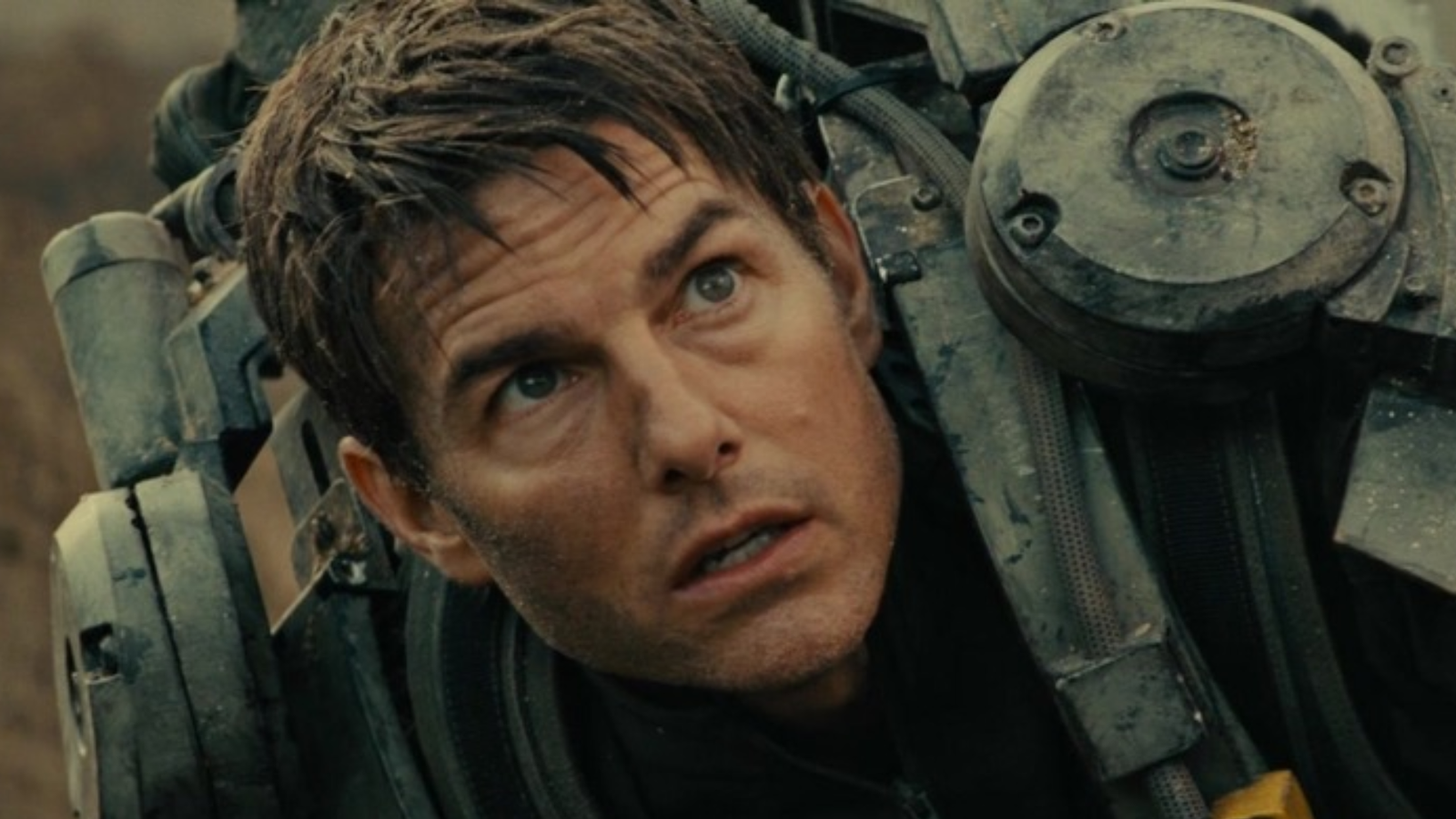

Time-loop stories have become a favorite playground for sci-fi filmmakers, but few have left a mark as strong as Tom Cruise’s Edge of Tomorrow. Now, a new anime adaptation based on the same source material is making waves in theaters, earning a Rotten Tomatoes score of 84% and a fan score of 90% that’s raising eyebrows across fandoms.
With critics and audiences responding enthusiastically, All You Need Is Kill is being positioned as more than just a companion piece. Its reception suggests a fresh take that could rival, or at least stand shoulder to shoulder with, Cruise’s blockbuster, especially among fans craving emotional depth alongside explosive action.
A Fresh Take on a Familiar Edge of Tomorrow Loop
All You Need Is Kill drops viewers into a near-future Japan where a mysterious flower-like phenomenon triggers an apocalyptic invasion. At the heart of the story is Rita, a lonely volunteer trapped in a brutal cycle of death and rebirth. Each reset forces her to confront fear, isolation, and the growing weight of memory.
Critics have praised the anime’s emotional focus, noting how it leans into Rita’s vulnerability rather than pure spectacle. The time loop becomes less of a clever sci-fi trick and more of a lens for exploring connection, grief, and resilience. That approach appears to be resonating, reflected in its strong critical and audience scores.
Visually, the film blends vibrant animation with moments of stark horror, giving the alien threat a nightmarish edge. The contrast between quiet character beats and sudden chaos helps distinguish it from live-action counterparts, offering a tone that feels both intimate and epic within its relatively compact runtime.
How It Stacks Up Against Tom Cruise’s Classic
Edge of Tomorrow remains a high point in modern action cinema, pairing Cruise’s reluctant hero with Emily Blunt’s hardened warrior. Its time loop is treated like a tactical puzzle, with humor and escalating set pieces driving the narrative toward a crowd-pleasing, high-stakes finale.
The new anime, by contrast, trades some of that blockbuster swagger for introspection. Where Cruise’s Major Cage learns through repetition to become a better soldier, Rita’s journey centers on emotional survival. Both approaches draw from the same core idea, yet their tones couldn’t feel more different.
What makes the comparison compelling is how close their audience reception appears to be. Fans seem equally willing to embrace a glossy Hollywood spectacle and a heartfelt animated reimagining. That rare balance suggests the story’s core themes are strong enough to thrive across formats.
New Edge of Tomorrow Movie Threatens Tom Cruise’s Original With an Impressive Rotten Tomatoes Score