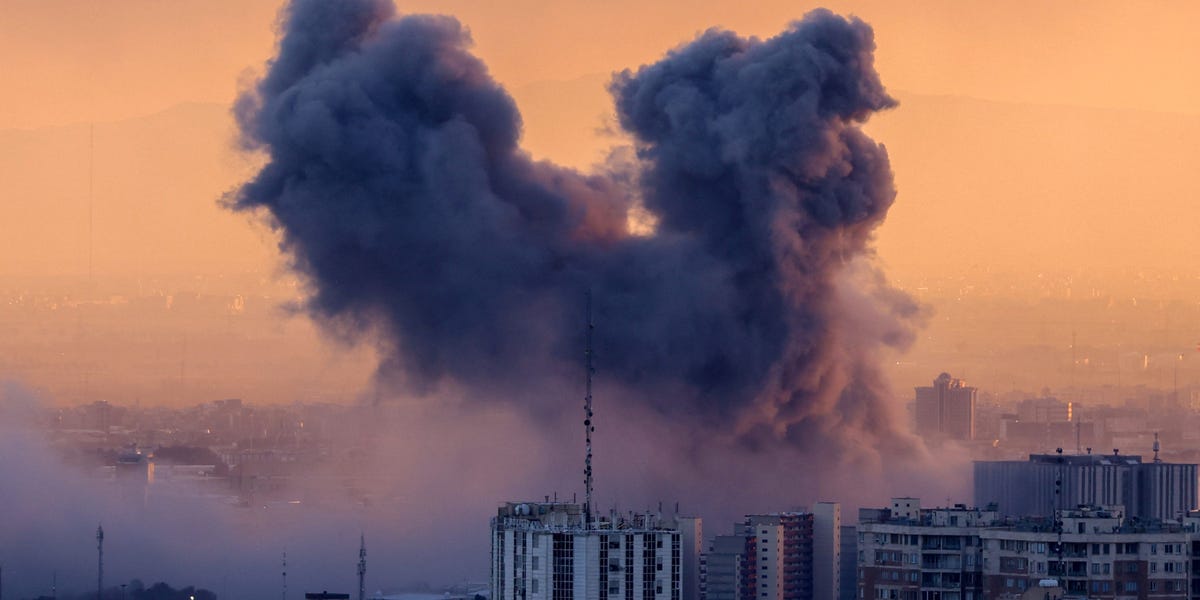

Global oil prices have skyrocketed since the military conflict began in late February, mainly due to the near-closure of the Strait of Hormuz. About 20% of the world’s oil supply and liquefied natural gas pass through the waterway off Iran’s coast.
Other major oil hubs across the Middle East have also sustained damage, including the United Arab Emirates’ Port of Fujairah, further driving up oil prices to over $100 a barrel. When the markets closed on Friday, Brent oil sat at $112.57, while West Texas Intermediate landed at $99.64.
For the average person, the fallout means two things: spending more money at the pump and surging energy bills. In America, the national average gas price reached $3.98 on Sunday, up from $2.98 in February.
Some countries are trying to cushion the price shock through rationing. That includes the Philippines, where officials implemented a temporary four-day workweek for federal workers and urged businesses to conserve energy. Pakistan also implemented a shortened workweek, closed schools for two weeks, and had public-sector employees work from home to ration oil.
This month, the International Energy Agency released 400 million barrels of oil from reserves to ease global economic volatility. The agency said this war is creating
How a Month of War on Iran Has Remade the World Economy