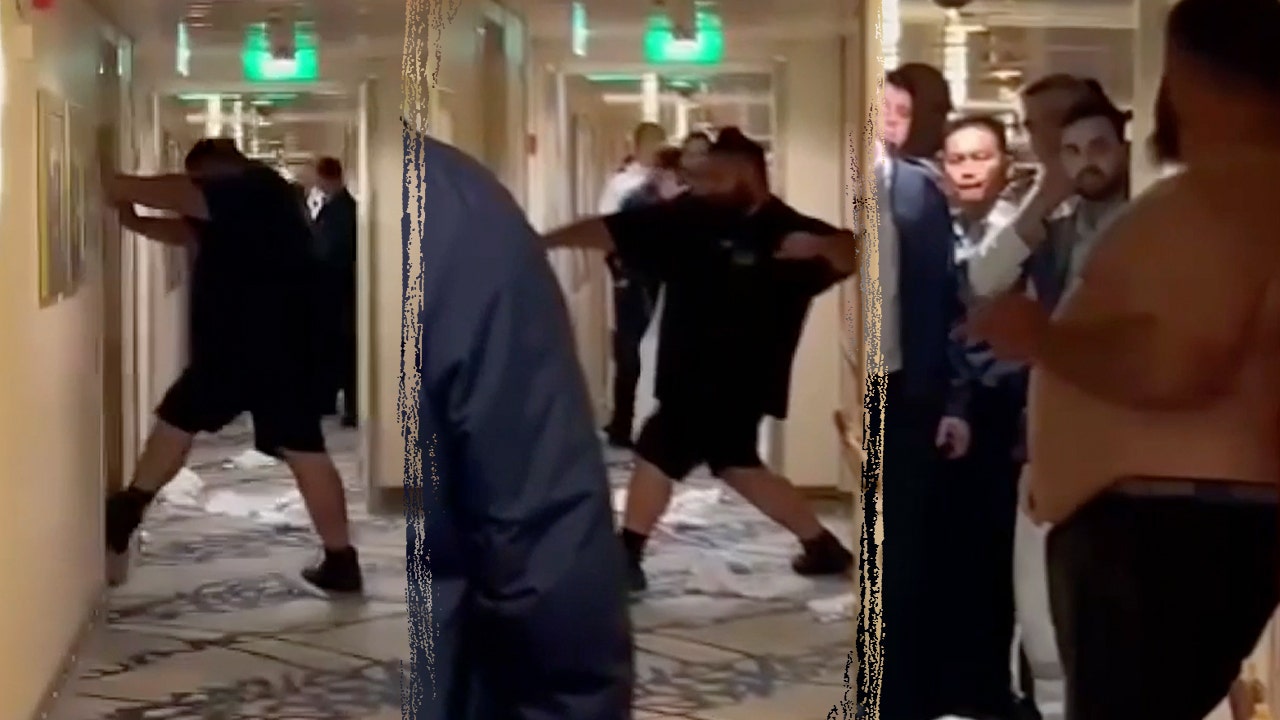

The family of a 35-year-old man who died aboard a Royal Caribbean cruise after allegedly being served 33 alcoholic drinks has filed a lawsuit seven months after an autopsy ruled his death a homicide.
Michael Virgil, 35, and his family boarded Royal Caribbean’s Navigator of the Seas in Los Angeles on Dec. 13, 2024, for a four-day cruise to Ensenada, Mexico, a trip they intended to be a fun vacation.
What began as a routine departure quickly unraveled, the lawsuit says, after an onboard incident involving security that would later become the center of a legal battle.
The family – which includes Virgil’s longtime fiancée and their young son who has autism – has filed a wrongful death complaint in the U.S. District Court for the Southern District of Florida.
CRUISE SHIP ALLEGEDLY LEAVES 80-YEAR-OLD WOMAN BEHIND ON ISLAND, DAUGHTER DEMANDS ANSWERS AFTER DEATH
The lawsuit alleges the cruise line is responsible for his death, claiming he was overserved and then subjected to what it calls the excessive use of force and fatal actions taken by crew members.
According to the complaint, the family was directed to a bar with live music because their cabin was not ready. As they waited, Virgil’s then 7-year-old son grew restless and left with his mother to check the room, leaving Virgil alone.
The suit claims that within hours of the ship’s departure, crew members negligently served him at least 33 alcoholic drinks, after which he became intoxicated and increasingly agitated while trying to locate his cabin.
FATHER OF CHEERLEADER WHO DIED ON CARNIVAL CRUISE SUBPOENAED TO TESTIFY IN CUSTODY CASE
Security and crew members allegedly tackled and restrained Virgil, compressing his body until he stopped moving. The complaint says that at the direction of the staff captain, the crew injected him with the sedative Haloperidol and used three cans of pepper spray.
The suit says the combination of restraint, sedative use and pepper spray caused significant hypoxia, impaired ventilation, respiratory failure, cardiovascular instability and ultimately cardiopulmonary arrest. The medical examiner later ruled the death a homicide.
The medical examiner wrote that the cause of death was
Royal Caribbean sued after man’s death ruled homicide on cruise ship